
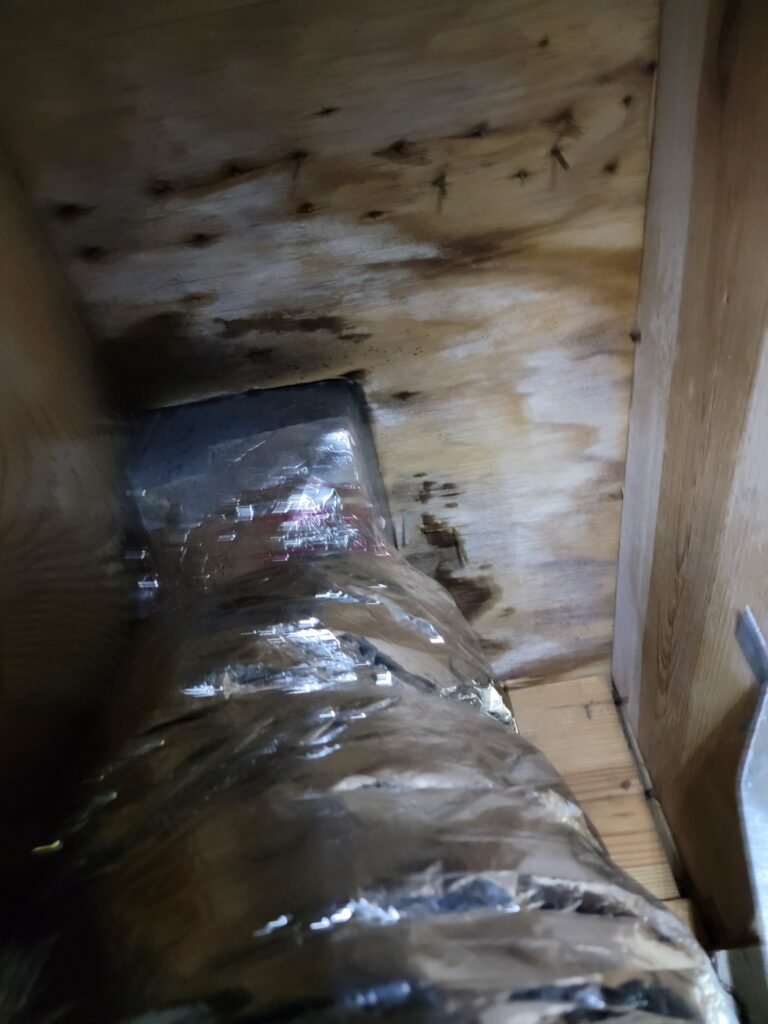
We hope you are enjoying this beautiful spring weather as much as we are! Warmer temperatures in Birmingham means humidity. And we all know mold thrives in humid environments. We begin to see a lot of mold growth this time of year. Did you know there are many types of mold that can grow in your home? In this blog post, we are going to discuss penicillium.
So, what is penicillium? Penicillium is abundant in many everyday environments, including your home. Unlike many types of mold, penicillium can thrive in relatively low humidity. It can be harmful to those with weakened immune systems by causing a runny nose, itchy eyes, cough, rashes, asthmatic symptoms, bronchitis and other respiratory problems.
Penicillin, the antibiotic we are familiar with, is created from the mold penicillium. Many wrongly assume that if you are allergic to the mold penicillium, then you are allergic to the antibiotic.
This type of mold can be all different colors and textures. Colors range blue-green, grey-green, yellow, white, and pink. It can be velvety or powdery. If you suspect you have penicillium mold in your home, you will want to have it tested and remediated. Once the mold is removed, you will want to prevent the spores from growing back by ensuring your home is well ventilated.
Give Mold Testing Services a call with any questions regarding mold in your home or business.